
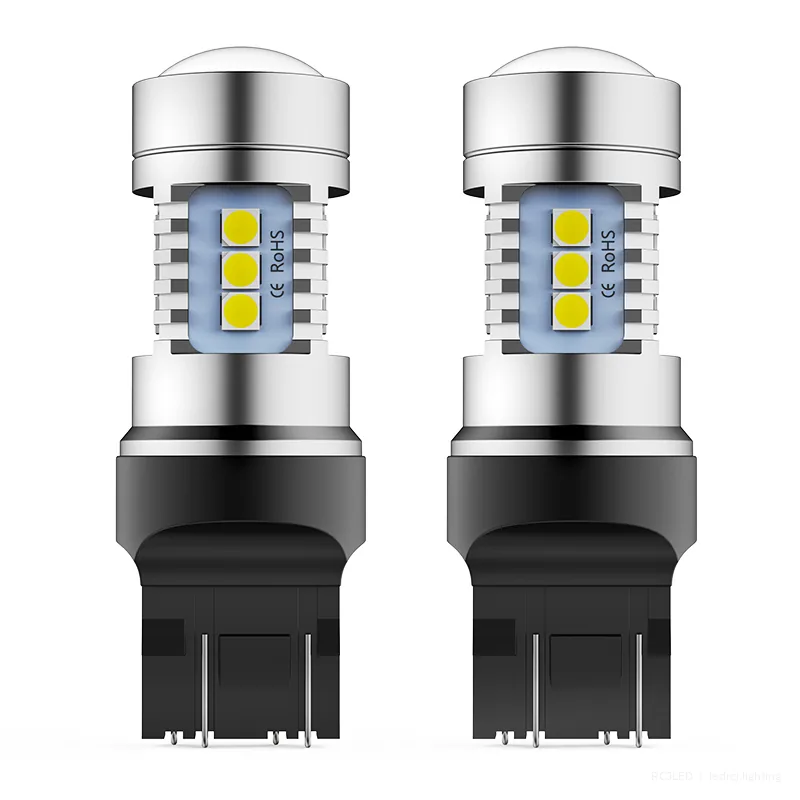
What The Label Means
A Canbus LED bulb is sold with electrical features intended to address some of the compatibility issues that can follow an LED conversion. The name alone does not tell a distributor which vehicles, lamp positions or operating conditions have been checked.
That distinction matters when a product goes into a wholesale catalogue. A bulb may illuminate correctly but still trigger a dashboard warning; a turn-signal replacement may flash too quickly. Those are different acceptance questions from brightness, socket fit or colour.
Manufacturers describe the underlying problem in similar terms: an LED can draw less current than the original lamp, which may activate the vehicle’s existing bulb-failure monitoring. See OSRAM’s explanation of lamp monitoring. This explains a possible mechanism, not the compatibility of a particular RCJLED bulb.
For a purchase specification, replace a broad “error-free” promise with a defined record: bulb model and revision, vehicle and year, lamp function, electrical setup, any accessory used, and observed result. That is a statement your sales team can use without turning one successful installation into a claim about every vehicle.
Separate The Symptoms
Ask a supplier what was observed before choosing a decoder. A dashboard warning, visible flicker and rapid turn-signal flashing should not be combined into one “Canbus problem” field.
| Observation | What the buyer should record |
|---|---|
| Bulb warning, light steady | Exact dashboard message, lamp position and whether it appears at startup or during use. |
| Visible flicker | Whether the engine is running, the selected lighting mode, timing and a short video. |
| Fast turn-signal flashing | Normal indicator and hazard-light behaviour, with the complete replacement combination identified. |
| Bulb does not illuminate | Base, contacts, supply, polarity requirements and installation instructions before treating it as a decoder issue. |
Philips’ headlight adapter FAQ explains how pulse-width modulation (PWM) can produce visible LED flicker. Its signalling adapter FAQ also describes false warnings and fast flashing. These references concern Philips products; they do not establish that the same accessory fits another supplier’s bulb.
A useful return report says, for example, “left rear indicator flashes rapidly with sample A on vehicle B.” “The bulb has a Canbus issue” leaves the factory guessing.
Built-In Or External?
Built-in compatibility features and a separate external module create different purchasing and installation requirements. Neither description is enough to approve a wholesale range.
For a built-in version, ask which symptom the circuitry is intended to address, what testing supports it, and whether the driver or circuit revision is controlled. For an external module, specify the exact part number, connector, installation space, mounting instructions and complete bulb-and-module combination.
Keep bulb families separate. A T10 wedge bulb, a bayonet signal bulb and an H11 headlight do not become interchangeable because their listings use the same Canbus wording. Their bases, contacts and connection arrangements must be checked for the intended application. Start with our socket and fitment guide when defining a headlight range.
Do not choose an accessory from the appearance of its housing. Request the manufacturer’s installation and thermal instructions; have the intended combination evaluated by a qualified installer. Keep any required accessory in the quotation and packing specification so it does not disappear between sample approval and delivery.
Approve A Defined Sample
Before the opening order, select the vehicle applications that matter to your market. A distributor with an established customer base can start with its common fitments and documented return cases. A new private-label range needs an agreed pilot list rather than a claim that every vehicle has been tested.
Use a sample acceptance sheet with the following fields. This is a proposed purchasing record, not an RCJLED test result or a laboratory standard.
- Sample identity
- Supplier model, base option, colour, bulb quantity, sample reference and hardware revision.
- Vehicle and function
- Make, model, year, relevant trim or lighting configuration, and exact lamp position.
- Installed combination
- Bulb, driver, adapter part number if used, connector, mounting and closed-cover clearance.
- Operating observations
- Warning messages, startup, normal operation, relevant dimming modes, indicator and hazard behaviour where applicable.
- Decision and evidence
- Pass, fail or unresolved against agreed criteria; dated photographs or video; reviewer and approved configuration.
Leave an untested application marked “not tested.” If a configuration fails, retain that result alongside the accepted ones. Your sales team needs to know the limits as well as the successful cases.
Review optical performance separately. An electrical compatibility result does not tell you the assembled beam, sustained light output or operating life. Our lumens versus watts guide sets out the measurements to request.
Control Repeat Orders
An approved sample is only useful if repeat orders remain traceable to it. Put the model and revision on the purchase order, retain a reference sample, and agree how the supplier will notify you of a change to the LED source, driver, compatibility circuit, connector or external module.
Agree which changes require another sample review before shipment. Keep the approved packaging text with that record, particularly where a carton, instruction sheet or online listing makes a compatibility claim.
Warranty also belongs in the commercial discussion. Ask for the written period, covered faults, evidence required for a claim and the agreed remedy. A large lifespan number is not a replacement for those terms. For private-label orders, add artwork approval, barcode requirements, language versions and packaging quantities to the OEM / ODM brief.
The aim is a range your team can describe accurately and reorder consistently. Broader wording on the box is not a substitute for a better compatibility record.
Build A Wholesale Shortlist
The following RCJLED catalogue references are starting points for a sample enquiry. Their names describe the listed products; inclusion here is not a claim of verified compatibility with your vehicle range.
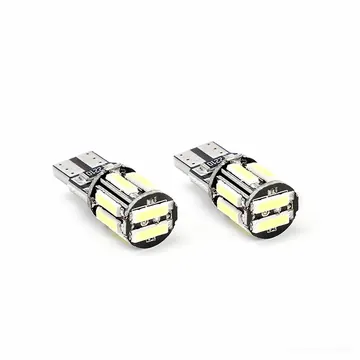
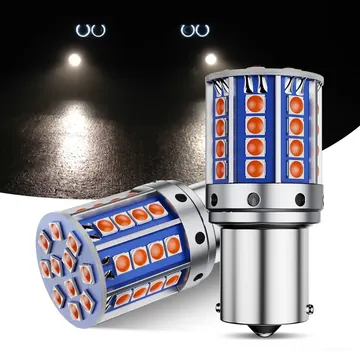
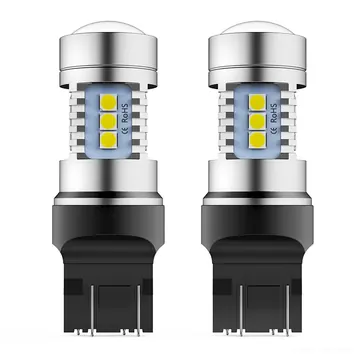
For a mixed order, separate LED headlight bulbs, compact automotive LED bulbs and signal replacement bulbs by socket and intended function. Ask Sales to confirm the available variants and their supporting information before combining them into one order.
Buyer Questions
Does “Canbus” mean a bulb fits every vehicle?
No. Ask for the tested bulb, vehicle, lamp function and accessory combination. A catalogue label is not a vehicle compatibility list.
Should a wholesale order include external decoders?
Only where they form part of the selected, evaluated configuration. Identify the bulb and decoder together in the quotation, sample record and packing instructions; do not assume that one module covers every base.
What should go on private-label packaging?
Use the agreed base, operating specifications, model identification, installation information and written warranty terms. Limit compatibility wording to the evidence available for that configuration.
Can RCJLED quote a mixed product range?
Send the model links, socket mix, quantities by item, target market and branding requirements to RCJLED Sales. Request confirmation of current availability, samples, MOQ and lead time for the selected items.
Prepare A Useful RFQ
For a wholesale or private-label quotation, send a product list with quantities rather than a single question about whether a bulb “has Canbus.” The brief below gives Sales enough context to discuss a sample plan and the commercial options for your range.
Company and website:
Business type (importer / distributor / brand):
Target market and main vehicle applications:
Product links and required sockets:
Trial quantity by item:
Expected repeat-order volume:
Compatibility symptoms or test records available:
Private-label and packaging requirements:
Required delivery date:
Attach any existing fitment list or return-case record. Where a parameter is unresolved, ask for clarification rather than making it a sales claim. The wider automotive lighting sourcing checklist covers supplier and production questions.
Request A Wholesale QuotationTechnical References
The manufacturer documents below explain general retrofit issues. They are not RCJLED vehicle tests, product endorsements or approval documents.